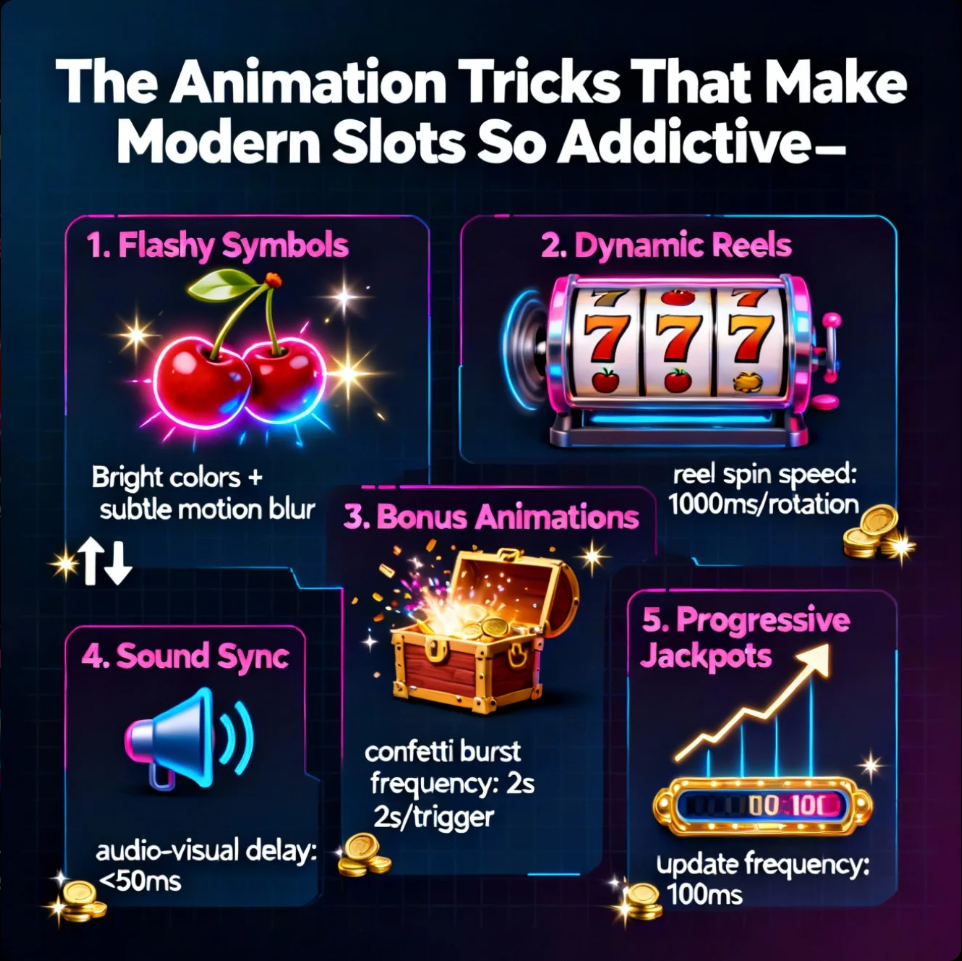
Modern slot games are no longer just spinning reels and static symbols. Today, they are highly animated digital experiences, designed with the same care as video games and mobile apps. Behind their visual appeal lies a sophisticated blend of animation techniques, psychology, and user experience design.
This article explores the animation tricks that make modern slots so addictive, and how motion, timing, and visual feedback keep players engaged longer than ever.
The Power of Motion in Player Engagement
Why Animation Matters
Animation creates life. In modern slots, motion transforms simple outcomes into emotional experiences. Even small wins feel exciting when accompanied by fluid movement, glowing effects, and celebratory transitions.
Key benefits of animation include:
- Increased attention retention
- Clear visual feedback
- Emotional reinforcement
Without animation, modern slot games would feel flat and uninspiring.
🔗 Outbound link: Nielsen Norman Group – Animation in UX Design
https://www.nngroup.com/articles/animation/
Anticipation Through Reel Dynamics
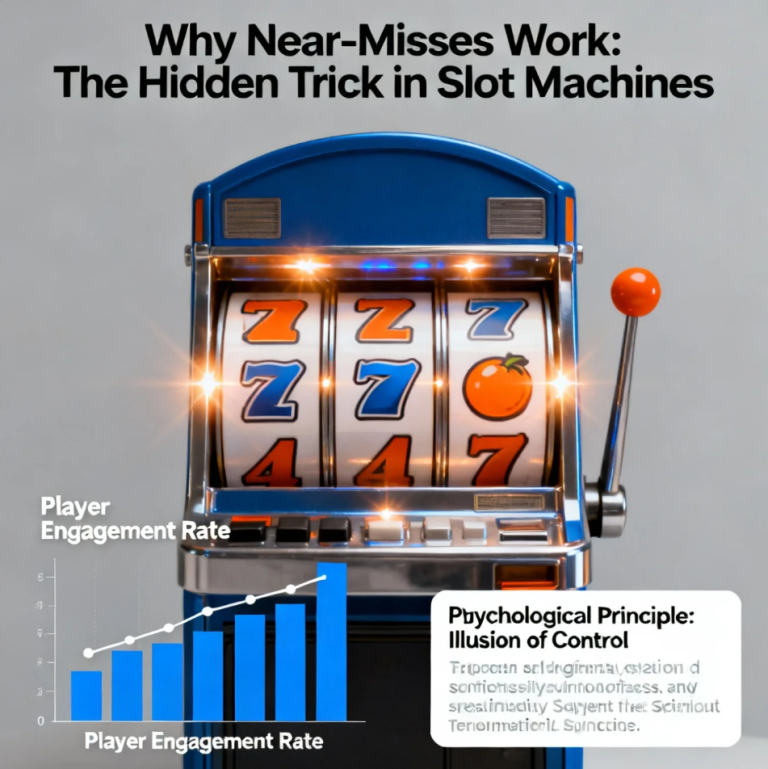
Near-Miss and Slow-Stop Effects
One of the most powerful animation tricks in modern slots is controlled reel timing. Reels often:
- Slow down before stopping
- Bounce or shake on near-wins
- Pause briefly before revealing the final symbol
These techniques increase anticipation and stimulate dopamine release, even when the result is a loss.
The illusion of “almost winning” keeps players emotionally invested.
🔗 Outbound link: Psychology Today – The Near-Miss Effect
https://www.psychologytoday.com
Celebratory Animations That Amplify Rewards
Making Small Wins Feel Big
Modern slots frequently exaggerate wins through animation:
- Coins exploding outward
- Screens flashing with light
- Characters celebrating or reacting
Even modest payouts feel significant when paired with dramatic visuals. This creates a reward loop, encouraging continued play.
The key trick? The animation often outshines the actual value of the reward.
Character Animation and Emotional Bonding
Animated Mascots and Storytelling
Many modern slots feature animated characters that:
- React to player actions
- Cheer during wins
- Express disappointment during losses
These characters build emotional connection and make gameplay feel personal. Players are not just spinning reels—they are participating in a story.
This technique borrows heavily from video game design and animated storytelling.
🔗 Outbound link: Gamasutra – Emotional Design in Games
https://www.gamedeveloper.com
Micro-Animations and Subtle Feedback
Small Details, Big Impact
Beyond major effects, micro-animations play a crucial role:
- Buttons gently pulse
- Symbols shimmer on hover
- Menus glide smoothly into view
These subtle cues guide user behavior without conscious effort, making interactions feel intuitive and rewarding.
Good animation doesn’t distract—it guides attention.
🔗 Outbound link: Adobe – Motion Design Principles
https://www.adobe.com/creativecloud/animation.html
Sound-Animation Synchronization
When Motion Meets Audio
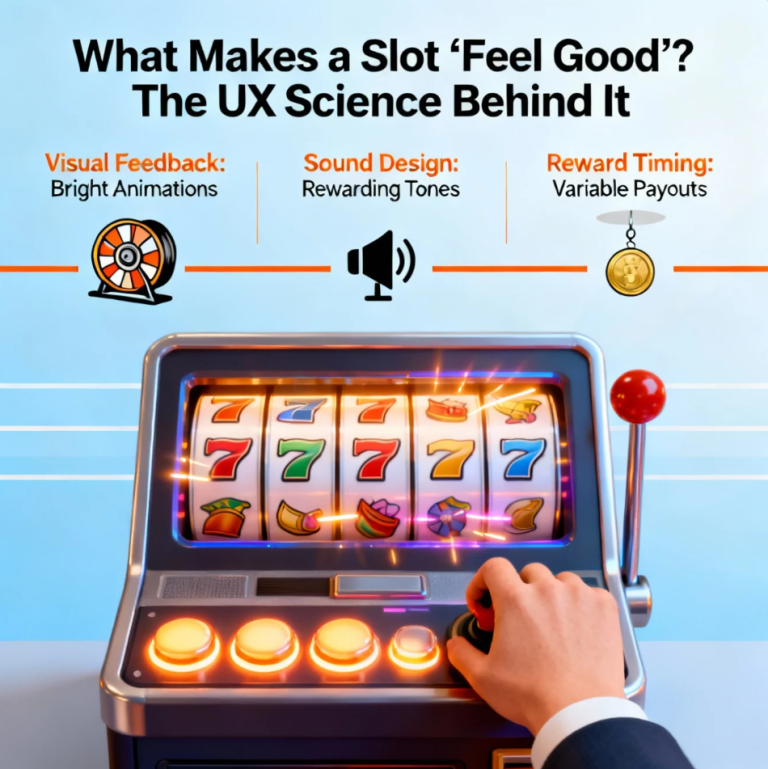
Animation becomes far more powerful when synchronized with sound:
- Visual bursts timed with sound effects
- Rising music during bonus rounds
- Audio cues reinforcing visual wins
This multisensory design strengthens memory and emotional response, making the experience harder to disengage from.
Why These Tricks Work So Well
Modern slot animations are effective because they:
- Trigger dopamine through anticipation
- Reward attention with visual feedback
- Reduce perception of time spent playing
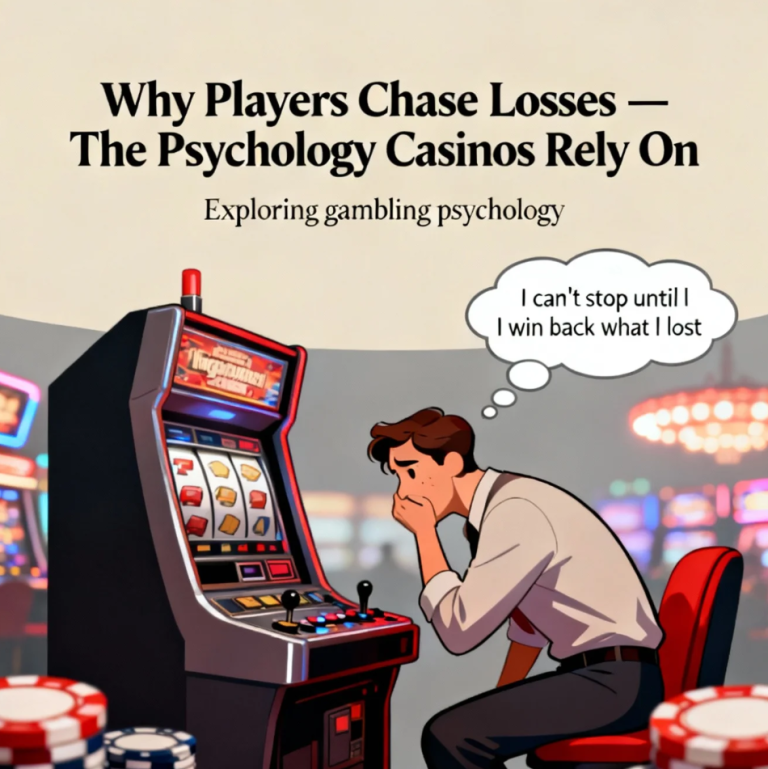
- Maintain excitement even during losses
In essence, animation turns chance-based gameplay into a continuous sensory experience.
Conclusion
Understanding the animation tricks that make modern slots so addictive reveals how deeply design and psychology are intertwined. From anticipation-building reel motion to celebratory reward animations and character storytelling, every movement is intentional.
These techniques don’t just decorate the game—they shape behavior, perception, and emotional engagement. In the world of modern slots, animation isn’t optional—it’s the engine of addiction.
About the Author