Slot machines are the beating heart of modern casinos. Flashing lights, immersive themes, and simple gameplay make them irresistible to players—but behind the entertainment lies a carefully engineered economic system. Understanding the economics of a slot machine reveals why casinos rely so heavily on these games and how they consistently generate billions in revenue worldwide.
This article breaks down how slot machines make money, how profits are calculated, and why casinos love them so much.
Why Slot Machines Matter to Casino Economics
Unlike table games that require dealers, pit bosses, and significant floor space, slot machines are lean profit generators. A single machine can operate 24/7, requires minimal staffing, and appeals to players of all experience levels.
From a business standpoint, slot machines offer:
- Predictable long-term revenue
- Low operational costs
- High player volume
- Scalable profit margins
This combination makes slots the most economically efficient games in the casino industry.
Understanding RTP and House Edge
At the core of slot machine economics are two critical concepts: Return to Player (RTP) and house edge.
Return to Player (RTP)
RTP represents the percentage of wagered money a slot machine returns to players over time. For example, a slot with a 96% RTP returns $96 for every $100 wagered—over millions of spins, not per session.
House Edge
The house edge is the casino’s expected profit, calculated as:
100% – RTP = House Edge
So, a 96% RTP slot has a 4% house edge, which is where casino profits come from.
How Much Do Casinos Actually Make from Slots?
While 4–10% may sound small, the scale changes everything.
Let’s look at a simplified example:
- Average bet: $1 per spin
- Spins per hour: 600
- House edge: 6%
That single machine generates:
- $600 wagered per hour
- $36 profit per hour
- $864 per day
- Over $300,000 per year
Multiply that by hundreds—or thousands—of machines, and the economics of a slot machine become very clear.
Why Slots Are More Profitable Than Table Games
Compared to blackjack, roulette, or poker, slot machines:
- Have no skill advantage for players
- Require no human dealers
- Maintain consistent profit margins
- Encourage longer play sessions
While games like blackjack can have a house edge below 1%, slot machines often range from 4% to 12%, making them far more lucrative over time.
Volatility: The Hidden Profit Lever
Volatility (or variance) affects how often and how much a slot pays out.
- Low volatility slots pay smaller wins more frequently
- High volatility slots pay larger wins less often
Casinos balance volatility to keep players engaged while maintaining profitability. Large jackpots create excitement and marketing value, even though the math always favors the house.
The Role of Psychology in Slot Machine Economics
Slot machines are designed using behavioral economics:
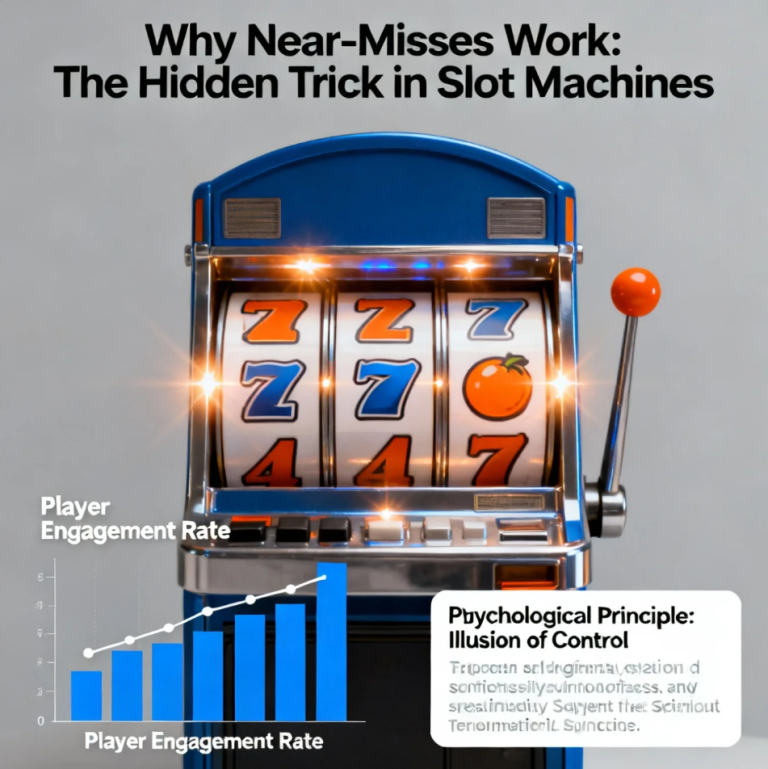
- Near-miss outcomes keep players engaged
- Bonus rounds reset excitement levels
- Sound effects and visuals reinforce reward perception
These elements don’t change RTP, but they increase time on machine, which directly increases casino revenue.
Regulation and Transparency
Most jurisdictions require slots to meet strict testing and certification standards. Independent auditors ensure:
- Fair RNG (Random Number Generator) systems
- Accurate RTP disclosures
- Compliance with gaming laws
You can explore regulatory frameworks via organizations like
👉 Nevada Gaming Control Board
👉 UK Gambling Commission
These bodies ensure the economics of a slot machine remain transparent and lawful.
Final Thoughts: The Business Genius of Slot Machines
The success of slot machines isn’t accidental—it’s mathematical, psychological, and operational. The economics of a slot machine combine predictable margins, scalable revenue, and powerful player engagement tools, making them the most profitable assets in any casino.
For players, understanding these economics doesn’t remove the fun—but it does provide clarity. For casinos, slots remain the ultimate balance of entertainment and enterprise.
About the Author